The textile industry is undergoing a significant transformation. Digital technology is reshaping how mills operate and compete. In 2022, the global digital textile printing market reached nearly $2.5 billion and is projected to grow in the coming years. This trend underscores the need for mills to adopt innovative solutions.
How to convert a traditional textile mill to a digital facility is not just a question but a necessity for survival. Many companies face challenges in this transition. For instance, adopting automation can improve efficiency but requires upfront investment. Reports indicate that 70% of firms still rely on outdated processes, emphasizing the urgency for change.
Transforming a textile mill is more than integrating technology. It involves a cultural shift within the organization. Resistance from employees can hinder progress. Data shows that companies with robust training programs see up to a 30% increase in productivity. Thus, fostering a digital-first mindset is essential for success in this evolving landscape.
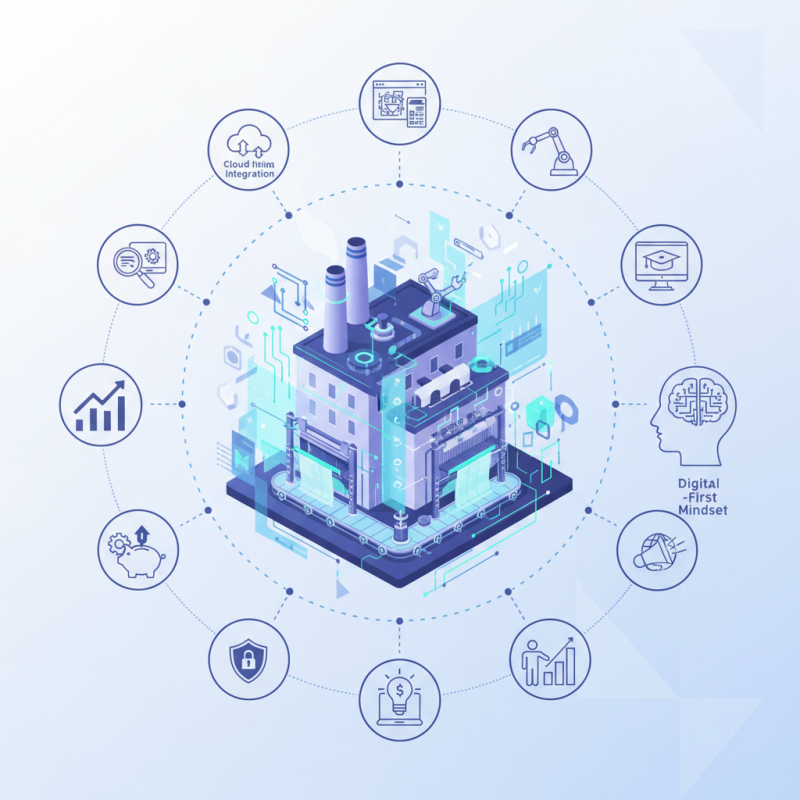
Digital transformation in textile mills is an evolution many are embracing. It's about integrating technology into all areas of operation. This transformation boosts efficiency and reduces costs. However, it's not a simple step. It requires careful planning and a commitment to change.
One significant aspect of digital transformation is data management. Effective use of data can enhance decision-making processes. Textile mills can analyze production metrics in real time. This allows managers to identify bottlenecks. Still, many may struggle with data integration. The challenge lies in combining old systems with new ones.
Moreover, adopting smart machinery can elevate production capabilities. Machines equipped with IoT sensors can provide continuous feedback. This helps in maintaining quality control. However, training staff to work with advanced technology poses a hurdle. Employees need time to adapt and might resist change. Embracing a culture of continuous learning is essential for success in this digital age.
Assessing current processes is crucial for textile manufacturers aiming for digital transformation. A recent report by McKinsey indicates that 70% of companies in the textile industry are still in the early stages of digital adoption. Understanding where your facility stands is essential. Evaluate your existing workflows and identify areas for improvement. Data analytics can enhance efficiency. Consider checking for outdated machinery that may hinder digital integration.
Adopting smart technologies can be daunting. Begin with small pilot projects to test innovative solutions. This allows teams to adapt without overwhelming the entire operation. Digital tools, such as IoT devices, can provide real-time insights. Implementing these technologies can improve inventory management and reduce waste. Research shows that efficiency increases by up to 30% when adopting digital methods.
It's important to invest in employee training during this transition. Many workers may feel insecure about new technologies. Engage them in the conversion process to build confidence. Communication is key to easing this transition. Maintain open dialogues about changes and expected outcomes. This will foster a collaborative environment and encourage innovation within your textile mill.
Incorporating IoT solutions can significantly elevate the operational efficiency of textile mills. By leveraging smart sensors, mills can gather real-time data on machinery and production processes. This data allows for better monitoring of performance metrics. For instance, temperature and humidity levels can be continuously tracked to optimize the conditions for fabric production. Real-time alerts can notify operators of any irregularities, thereby reducing downtime.
However, implementing these digital solutions isn't without its challenges. Many mills struggle with outdated equipment that may not support IoT integration. There’s a learning curve involved for employees who need to adapt to new technologies. Training is essential, but it requires time and resources that some facilities may lack. Additionally, integrating different IoT devices can lead to interoperability issues.
Despite these obstacles, the benefits are clear. Efficiency gains can lead to reduced waste and lower operational costs. Automated processes can increase production speed and consistency. Ultimately, a more digital approach can transform a traditional textile mill into an agile, responsive facility. The journey involves significant reflection on current practices and a willingness to adapt.
The textile industry is undergoing a significant transformation driven by data analytics. According to a recent McKinsey report, companies using advanced analytics can attain potential productivity increases of over 20%. This shift isn’t just about adopting new technologies; it’s about leveraging data for informed decision-making throughout the production process.
By utilizing data from sensors and IoT devices, mills can optimize operations in real-time. For instance, predictive maintenance powered by analytics can reduce downtime by up to 25%. Furthermore, detailed insights into demand patterns can help optimize inventory levels, minimizing waste and costs. Despite these advantages, many facilities still struggle with data integration and interpretation. This reflects a gap in expertise and operational readiness that needs addressing.
Investing in employee training on data utilization is critical. Data literacy enables staff to derive actionable insights from raw numbers. A report from Deloitte highlights that organizations fostering a data-driven culture can see a 30% boost in efficiency. Yet, without proper training, the potential remains untapped. As the digital landscape evolves, textile mills must embrace these changes to stay competitive while confronting challenges in implementation.
In the rapidly changing landscape of the textile industry, training a workforce for a digitally-driven environment is essential. A well-prepared team can adapt to technology advancements and improve operational efficiency. Companies must prioritize skill development in areas such as data analytics, automation, and machine learning. By doing so, employees can better understand the complexities of modern textile production.
One effective approach is to implement continuous learning programs. These programs can include workshops, online courses, or mentorship opportunities. Encourage employees to take part in these initiatives. It fosters a culture of knowledge-sharing and collaboration. Regularly assess your workforce's skill gaps and tailor training accordingly. Digital literacy should be embedded into all levels of training.
Invest in a robust onboarding process for new hires. This helps them understand the digital tools available to them right from the start. Teams should also practice hands-on projects to apply their learning in real scenarios. Maintaining open communication channels is vital. Feedback from employees about the training process can help identify areas needing improvement, ensuring that training remains relevant and effective. Engaging with skilled trainers adds credibility to the program and enhances its impact.
: IoT solutions enhance operational efficiency, reduce waste, and lower costs through real-time data monitoring.
Many mills deal with outdated equipment, employee training issues, and interoperability of different devices.
Real-time data helps monitor performance metrics like temperature and humidity, optimizing conditions for fabric production.
A well-trained workforce can adapt to technologies quickly, improving efficiency and understanding complex production systems.
Continuous learning programs such as workshops and online courses help employees develop essential skills over time.
Regularly evaluating employees' skills allows companies to tailor training programs to meet current needs.
Employee feedback helps identify training gaps, ensuring programs stay relevant and effective.
Practical projects allow employees to apply learning in real scenarios, enhancing their understanding and skills.
Digital literacy should be integrated at all levels to equip employees for technology-driven processes.
Fostering a culture of collaboration and knowledge-sharing motivates employees to engage in development programs.
Transforming a traditional textile mill into a digital facility requires a comprehensive understanding of digital transformation in the textile industry. This journey begins with assessing current processes to determine digital readiness and identifying areas that can benefit from enhanced operational efficiency. By implementing IoT solutions, textile mills can optimize production methods and streamline operations.
Moreover, utilizing data analytics is crucial for informed decision-making, allowing manufacturers to respond swiftly to market demands and improve productivity. A key aspect of this transition is training the workforce, ensuring employees are equipped with the necessary skills to thrive in a digitally-driven environment. In summary, knowing how to convert a traditional textile mill to a digital facility involves a strategic approach to technology integration and employee development for sustainable growth.

DD-Tech Print