In the dynamic world of digital textile printing, achieving optimal color accuracy is crucial for both quality and client satisfaction. Industry expert Dr. Anne Smith emphasizes this necessity, stating, "Color accuracy transforms textile designs into vibrant realities." Her insights guide professionals seeking to understand how to improve color accuracy in digital textile printing.
Color profiles, calibrations, and equipment play significant roles in this process. For those in the industry, knowing the right techniques can lead to impressive results. However, many overlook the basics, resulting in inconsistency and disappointment. Common pitfalls, such as incorrect printer settings or improper ink usage, often emerge. These mistakes serve as reminders that attention to detail is key.
Moreover, the color management process can be daunting. A well-designed workflow incorporates test prints and adjustments. Learning from failed attempts can enhance future projects. In this competitive field, maintaining high standards isn't just beneficial—it’s essential. Embracing these challenges can lead to growth and mastery in digital textile printing.
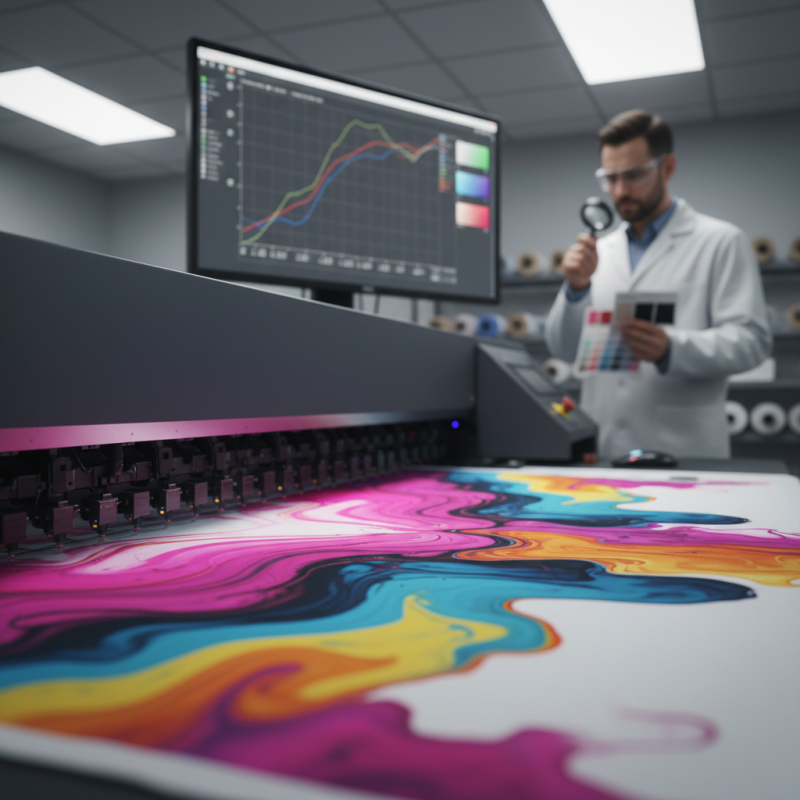
Understanding Color Management in Digital Textile Printing
Understanding color management in digital textile printing is crucial for achieving accurate and vibrant results. According to a report by Smithers Pira, the digital textile printing market is expected to reach $5.6 billion by 2024. This growth highlights the increasing importance of color accuracy as brands strive to meet consumer expectations.
Effective color management begins with a clear understanding of the color space. Working with standard color spaces, such as sRGB or Adobe RGB, can help ensure consistency across devices. However, many printers still struggle with achieving the same color output from different machines.
Calibration tools can play a vital role in this process, yet many users overlook their necessity, leading to discrepancies in color rendering.
Additionally, the choice of inks can drastically influence results. For instance, certain dye combinations may produce unexpected shades when printed on different fabric types. Understanding the interaction between dyes and substrates can prevent dissatisfaction.
Many print providers face challenges in achieving the desired color results. Continuous testing and adjustments are often required, revealing the complexities of color management in digital textile printing.
Selecting the Right Fabrics for Optimal Color Reproduction
Selecting the right fabrics is essential for optimal color reproduction in digital textile printing. Fabrics with a smooth surface often yield better print results. Cotton is a popular choice; it absorbs ink well and reflects colors vividly. Polyester, on the other hand, can result in sharper images due to its inherent properties. Yet, both fabrics can present challenges. The texture and weave can affect how colors appear.
Synthetics may enhance color vibrancy, but they can also lead to issues like color bleeding. When choosing fabrics, consider the end-use of the printed textile. Lightweight fabrics might require different printing techniques than heavier ones. Sometimes the printing process itself can induce variations. Test prints are invaluable; they can reveal how specific fabrics interact with inks.
A common pitfall is neglecting fabric pre-treatment. Many fabrics may need coatings to improve ink adhesion. This step is often overlooked and can lead to disappointing results. Understanding the interaction between fabric type and ink is crucial. Regular feedback from test runs will help refine your choices over time. Ultimately, the journey to achieve perfect color accuracy involves experimentation and continual learning.
Utilizing Accurate Color Profiles for Digital Prints
Accurate color profiles are crucial for achieving high-quality prints in digital textile printing. According to a recent report by the International Color Consortium, about 70% of color inaccuracies can be traced back to improper profile use. This statistic underlines the importance of selecting the right profiles for your specific printing process.
One effective tip is to regularly calibrate your printers. Regular calibration ensures that your machines maintain consistent color production. Additionally, using industry-standard profiles can enhance color fidelity. Avoid relying solely on default settings, as they may not accurately represent your material.
Another vital aspect is understanding your substrates. Different fabrics respond differently to inks and processing methods. Experimenting with various profiles on test swatches can provide insight into how colors will appear on final products. Always remember that lighting conditions can affect color perception as well, so viewing under standardized lighting is essential.
The process of establishing an accurate color management system may take time and effort. It's common to encounter discrepancies along the way. However, reflecting on these challenges helps refine the process, creating a more reliable outcome in the end.
Calibrating Printers for Consistent Color Output
Calibrating printers is essential for achieving consistent color output in digital textile printing. A well-calibrated printer helps to bridge the gap between design and actual print. Color discrepancies can occur due to variations in ink formulation, paper type, and printer settings. Regular calibration ensures that colors are reproduced accurately, reflecting the designer's vision.
When calibrating, start by using a color calibration tool. This device measures the output colors and compares them to standard color profiles. It’s recommended to perform this calibration frequently, especially when switching materials or inks. Different substrates can absorb colors differently, leading to variances. Regular checks help maintain consistent quality across runs.
However, calibration is not always perfect. Sometimes, small shifts in color can occur even after adjustments. These shifts may arise from environmental factors such as humidity and temperature. Thus, it's important to not only rely on equipment but also to perform visual checks. Engaging a team to review printed samples can offer valuable insights. Collaboration and communication in this process foster a deeper understanding of color accuracy and improve overall results.
China Top 10 Tips to Improve Color Accuracy in Digital Textile Printing
| Tip Number |
Tip Description |
Expected Outcome |
| 1 |
Calibrate Printer Regularly |
Improved color consistency across prints |
| 2 |
Use High-Quality Inks |
Better color vibrancy and depth |
| 3 |
Calibrate Color Profiles |
More accurate color reproduction |
| 4 |
Select Appropriate Fabric |
Enhanced ink absorption and color accuracy |
| 5 |
Monitor Environmental Factors |
Consistent color performance over time |
| 6 |
Regularly Maintain Equipment |
Reduced downtime and improved color output |
| 7 |
Use Test Prints for Evaluation |
Identification of color discrepancies early |
| 8 |
Train Staff on Color Management |
Increased skill in achieving desired outcomes |
| 9 |
Use Color Matching Tools |
Precision in color matching for client specifications |
| 10 |
Version Control on Color Libraries |
Maintain consistent reference colors |
Implementing Quality Control Techniques in Printing Processes
Color accuracy in digital textile printing relies heavily on effective quality control techniques. Tracking color consistency should be a priority in any printing process. Regular monitoring and adjustments can lead to significant improvements. Anomalies may still occur, but understanding their cause can enhance overall quality.
One essential practice is using color profiling. Create profiles for different machines and materials. This helps ensure that colors remain consistent across various prints. However, profiles need regular updates. Environmental changes can affect color output, so be prepared to recalibrate often.
Another important technique is conducting frequent tests. Print samples at various stages of production to catch deviations early. This proactive approach can save time and resources. Even with rigorous techniques, some inconsistencies may slip through. A culture of continuous improvement is vital. Embrace feedback and learn from errors to refine your processes further.
Conclusion
To improve color accuracy in digital textile printing, it's essential to understand the nuances of color management. This includes selecting the right fabrics that not only match the desired shades but also enhance color reproduction. Utilizing accurate color profiles tailored for digital prints is crucial, as they ensure that the colors on the screen correspond closely to those produced on fabric.
Furthermore, consistent color output can be achieved through regular printer calibration, which helps maintain color fidelity throughout the printing process. Implementing robust quality control techniques further ensures that each print meets the highest standards. By following these guidelines on how to improve color accuracy in digital textile printing, you can enhance the quality and vibrancy of your textile products significantly.

 DD-Tech Print