Maintaining an industrial inkjet printer can be a complex task. Many businesses wonder, "How much does it cost to maintain an industrial inkjet printer?" According to John Reynolds, an industry expert with over 15 years of experience, "The hidden costs often surprise companies just starting with inkjet technology."
Maintenance costs range widely. Businesses may face expenses from ink cartridges, print head cleaning, and routine servicing. Poor maintenance can lead to expensive repairs. Even a small error in operation can escalate into major costs. The regularity of these expenses is important to factor into the overall budget.
Additionally, many underestimate downtime costs. If a printer breaks, the production halts, impacting profits. Understanding these factors can help in making better financial decisions. By analyzing all costs, businesses can prepare for the unexpected. In the long run, it’s essential to weigh these costs carefully.
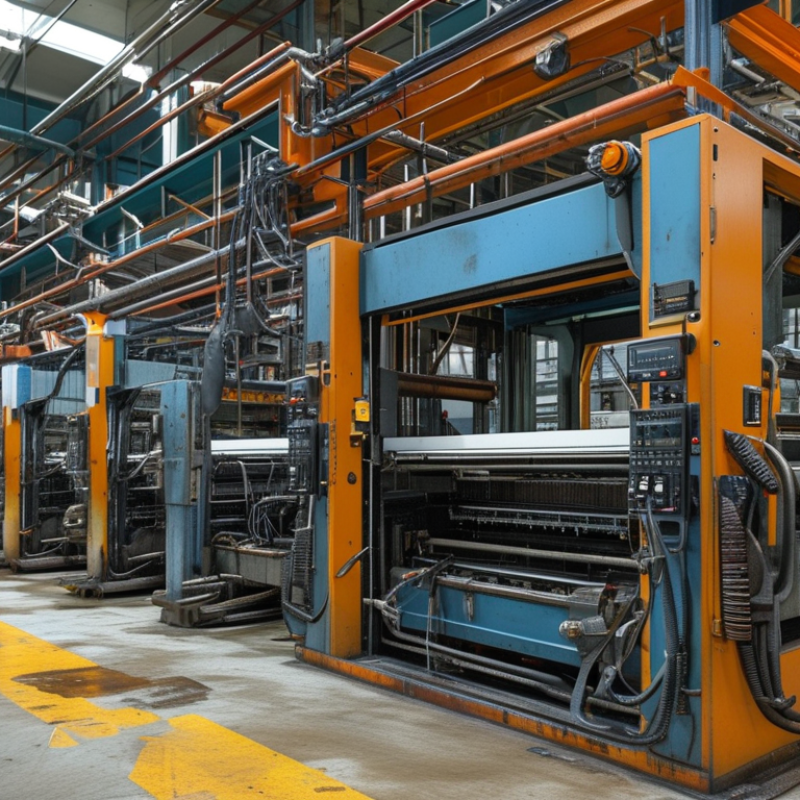
Investing in industrial inkjet printers involves understanding the significant upfront costs. A report from Smithers states that initial investment often ranges from $100,000 to $500,000. This price includes the printer, ink cartridges, and necessary software. The complexity of these systems affects the price. More features add to the cost, so choosing the right equipment is crucial.
Maintenance costs must also be factored in. According to the NAPIM (National Association of Printing Ink Manufacturers), ink costs can represent up to 30% of overall expenses. Furthermore, training personnel to operate these machines can add an additional 10%. Many businesses overlook these factors. Failing to budget adequately can lead to unexpected financial strain.
Industries are increasingly adopting advanced inkjet technology. However, companies must remain mindful of ongoing operational costs. According to a recent study, nearly 40% of manufacturers reported that they underestimated the total cost of ownership. This oversight can lead to long-term financial issues. Understanding these costs is necessary for sustainable investment in industrial inkjet printers.
| Cost Category | Estimated Annual Cost ($) | Notes |
|---|---|---|
| Initial Purchase Price | 25,000 - 150,000 | One-time investment for the printer |
| Ink and Consumables | 5,000 - 20,000 | Ongoing costs for ink, solvents, and replacement parts |
| Maintenance and Repairs | 2,000 - 10,000 | Regular servicing and unexpected repairs |
| Training Costs | 1,000 - 5,000 | Employee training on printer operation |
| Utilities (Electricity, Water) | 1,500 - 3,500 | Costs associated with running the equipment |
| Software Licensing | 500 - 2,000 | Ongoing fees for printer software |
| Storage and Space | 1,000 - 4,000 | Space and handling costs for ink and supplies |
| Downtime Costs | 3,000 - 15,000 | Loss of production during printer maintenance |
| Warranty and Service Agreements | 2,000 - 8,000 | Costs associated with extended service contracts |
Routine maintenance costs for industrial inkjet printers can accumulate significantly over time. According to industry reports, these costs can account for 25% to 30% of a printer’s total lifecycle expenses. This statistic highlights the importance of understanding and evaluating maintenance expenses. Regular ink changes, print head cleanings, and software updates are necessary to maintain quality output. Neglecting these tasks can lead to costly repairs and reduced printer efficiency.
Labor costs also contribute to routine maintenance expenses. An operator's time spent on maintenance tasks, such as routine inspections and cleaning, can quickly add up. The average hourly wage for technicians can range from $25 to $50, depending on location and expertise. This factor can lead to a significant additional cost if maintenance is not proactively managed. Over time, printers might require more intense maintenance due to wear and tear, influencing long-term budgeting.
Moreover, spare parts can dramatically affect maintenance costs. Some reports indicate that the average cost for replacement parts can surge up to 50% of the initial purchase price of the printer. If spare parts become obsolete, finding replacements could lead to unexpected expenses. This unpredictability adds a layer of complexity to cost evaluation and highlights the need for a well-considered maintenance strategy.
Maintaining industrial inkjet printers involves significant costs, especially regarding ink and consumables. According to a report by Smithers Pira, ink and consumables can account for approximately 40-50% of the total operating costs over time. This figure illustrates the need for careful management. Businesses may underestimate these expenses, leading to unexpected budget strains.
Additionally, over time, the price of ink can fluctuate due to various factors, including demand and raw material availability. Research from IDC indicates that the average annual spending on ink for industrial printers can reach tens of thousands of dollars. Companies often fail to predict how these costs will evolve, impacting financial planning. Regular purchases of print heads, cleaning solutions, and maintenance supplies add to this burden.
Keeping track of consumable usage is essential. If a business fails to monitor consumption accurately, it can result in wastage and uncontrolled expenses. Adopting inventory management systems can help. However, these solutions may come with their own costs and challenges. Therefore, businesses must reflect on current practices regularly to enhance cost efficiency.
Maintaining an industrial inkjet printer involves significant repair and downtime costs. Malfunctions can lead to production delays that impact overall efficiency. Each hour of downtime can cost businesses not only in lost revenue but also in additional labor and resource expenditures.
Unexpected repairs can be a financial burden. For instance, when a print head fails, the cost of replacement can be substantial. Waiting for parts can take several days, further extending the downtime cost. Even routine maintenance can lead to unexpected issues that require immediate attention. This uncertainty can strain budgets and disrupt schedules.
Understanding these costs is essential for effective planning. Regular checks can help minimize emergencies, but they cannot eliminate risks completely. Businesses should evaluate their maintenance strategies regularly. Focusing on preventive measures while being prepared for unforeseen circumstances can greatly reduce both repair and downtime costs. Balancing these elements is crucial for sustained productivity in industrial settings.
This chart displays the top 10 costs associated with maintaining an industrial inkjet printer, highlighting key areas such as ink supplies and repairs that contribute to overall expenses.
Operating an industrial inkjet printer involves various costs, especially energy consumption and operational costs. Energy consumption can significantly impact the overall expense. These printers often require a stable power supply, which can spike costs during peak usage hours. Investing in energy-efficient models can help. However, even such models cannot eliminate energy expenses entirely. Monitoring energy usage regularly is crucial for identifying inefficiencies.
Operational costs constitute another significant factor. These include maintenance, repairs, and supplies like ink and cleaning fluids. Regular maintenance is vital to avoid costly downtime. Unplanned repairs can quickly drain budgets. Assessing the condition of components and replacing worn parts promptly can prevent these issues. Furthermore, ink costs can fluctuate dramatically, impacting overall budgeting.
Companies must consider these variables carefully. There is often a trade-off between lower initial costs and higher long-term operational expenses. Each business has unique needs and should evaluate the total cost of ownership rather than just the upfront price. Investing in smart solutions can mitigate some costs but requires a thoughtful approach. Regular audits and process evaluation can reveal further savings.
: Routine maintenance costs can account for 25% to 30% of a printer's total lifecycle expenses.
Understanding these costs helps prevent neglect, which can lead to costly repairs and inefficiency.
Labor costs from technicians can add significant expenses. Their average wage ranges from $25 to $50 per hour.
Replacement parts can cost up to 50% of the printer's initial purchase price, affecting long-term budgets.
Ink and consumables can account for 40-50% of total operating costs over time, which is often underestimated.
Changes in demand and raw material availability can impact ink prices, affecting financial planning.
Accurate monitoring prevents wastage and helps control expenses related to ink and supplies.
Malfunctions can lead to production delays, increasing labor and resource expenditures significantly.
Regular checks can minimize emergencies, but uncertainty remains. Balancing preventive measures and preparedness is vital.
Evaluating current practices in maintenance and consumption can enhance cost efficiency and manage budget strains.
Maintaining an industrial inkjet printer involves various costs that can accumulate significantly over time. Understanding the initial investment is crucial as it sets the groundwork for ongoing expenses. This includes evaluating routine maintenance costs, which encompasses regular servicing and cleaning to ensure optimal performance. Additionally, ink and consumables expenses are a recurring financial commitment that can vary based on usage and the specific applications of the printer.
Another essential aspect is analyzing repair and downtime costs that arise from malfunctions, potentially impacting productivity and profit margins. Furthermore, considering energy consumption and operational costs is vital for a comprehensive evaluation of how much it costs to maintain an industrial inkjet printer. By assessing these factors holistically, businesses can make informed decisions to manage their printing operations efficiently.

DD-Tech Print