What is the power consumption of a digital textile printer?

Time:2026-07-18 Author:Amelia
0%

Digital textile printing has revolutionized the fashion industry. As manufacturers adopt this technology, understanding its energy demands becomes crucial. Many stakeholders ask, "What is the power consumption of a digital textile printer?" To shed light on this, industry expert Dr. Sarah Johnson shares, "The energy efficiency of these printers significantly impacts overall production costs."

In recent years, digital textile printers have improved in power efficiency. However, energy consumption varies based on printer model and usage. Many printers require between 1 to 10 kWh per hour, depending on their capabilities. This variance emphasizes the importance of selecting the right equipment for specific needs. Additionally, manufacturers can optimize patterns and reduce waste to decrease energy use.

Experts recognize the balance between performance and power consumption. While aiming for vibrant colors and rapid printing speeds, many still overlook energy usage. A focus on efficiency not only cuts costs but also benefits the environment. Understanding "What is the power consumption of a digital textile printer" is essential for sustainable practices in the industry.
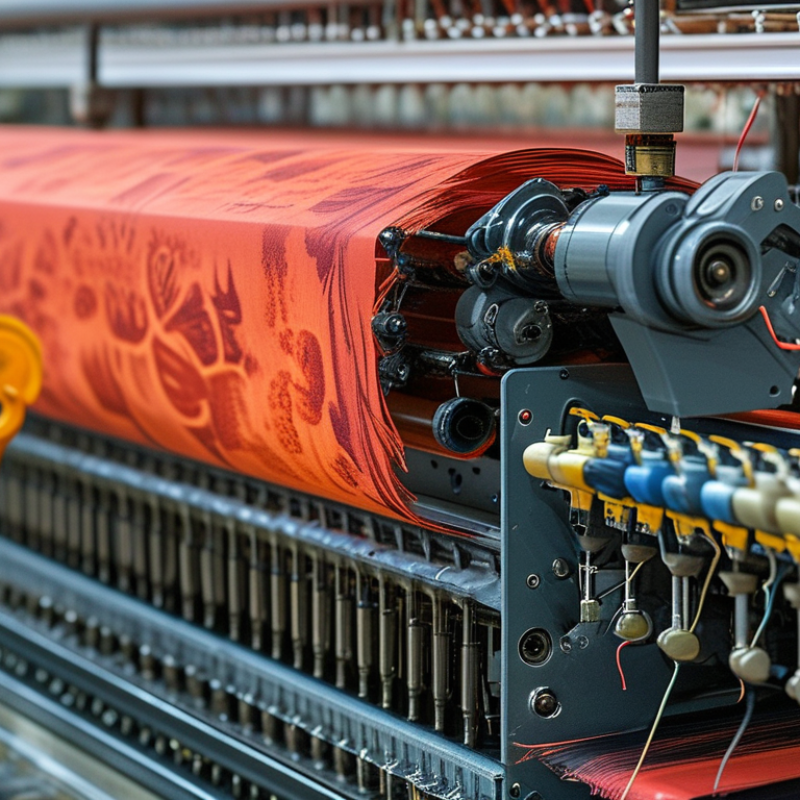
What is the power consumption of a digital textile printer?

Understanding Digital Textile Printers and Their Functionality

Digital textile printers represent a significant advancement in the textile industry. They use inkjet technology to print directly onto fabric. This method allows for vivid designs and intricate patterns. Unlike traditional printing methods, digital printing offers faster turnaround times and greater design flexibility. Quality control is crucial here, as output can vary based on the fabric and inks used.


Power consumption in digital textile printers can vary widely. According to industry reports, typical consumption ranges from 1.5 to 5 kW per hour during operation. Factors influencing this include printer size, speed, and complexity of designs. Many printers use energy-efficient technology to reduce consumption. However, some high-speed models may consume more power, posing a challenge for sustainability.


Maintenance is often overlooked but is essential. Regular cleaning can improve efficiency. Neglecting this may lead to higher energy consumption and wasted materials. Operators must stay informed about their printers' requirements. Understanding the power dynamics and operational nuances of these printers aids in optimizing performance and sustainability in digital textile printing.

Factors Influencing Power Consumption in Digital Textile Printing

Power consumption in digital textile printing is influenced by various factors. One primary aspect is the type of inks used. Different inks have varying energy requirements for curing or drying. Water-based inks typically consume less energy than solvent-based inks. This variation affects the overall energy efficiency.

Another crucial factor is the printer's technology. Inkjet printers often operate more efficiently than older printing methods. Modern printers can optimize power usage during idle periods. This capability reduces unnecessary energy consumption, making them a better choice for sustainable practices.

Additionally, the complexity of the design plays a role. Intricate designs may require longer printing times, increasing energy usage. Consideration of these factors can lead to mindful choices that enhance energy efficiency. 设备的设置和工作人员的经验也会对整体能耗产生影响, 像一些技术不熟练的操作可能会浪费电能。

Average Power Usage of Different Types of Digital Textile Printers

Digital textile printers vary significantly in power consumption based on their design and intended use. Generally, industrial digital printers consume more power than smaller, desktop models. For instance, large-scale machines can use upwards of 5 kW per hour during operation. This contrasts with smaller units that might only require around 1 kW.

The type of ink and printing technology also influences energy usage. Dye-sublimation printers tend to be more energy-efficient while producing vibrant colors. However, the heating element in these printers can spike energy consumption during longer runs. It's essential for businesses to understand these differences.

Choosing the right printer involves balancing power needs with quality output. It’s easy to overlook power consumption when budgeting. Yet, high power use can lead to increased operating costs. Printers with lower consumption may have higher upfront costs, but they provide savings in the long run. Reflecting on these factors is necessary to make an informed decision.

Power Consumption of Different Types of Digital Textile Printers

Comparative Analysis of Energy Efficiency in Textile Printing Technologies

Energy efficiency in textile printing technologies is crucial in today’s sustainable environment. Digital textile printers consume varying amounts of power depending on their design and functionality. Typically, these printers use energy during the printing process as well as while idle. This idle energy consumption can be surprisingly high.

Different technologies like inkjet and sublimation printing have unique energy profiles. For example, inkjet printers may use less energy during operation but can have significant idle consumption. In contrast, sublimation printers are often more energy-intensive during printing but save power when not in use. This creates a complex balance in energy efficiency that can be difficult to assess.

Understanding these dynamics can lead to better choices in production processes. Manufacturers should monitor and compare the energy consumption of different printer types. Exploring energy-saving practices can reveal opportunities for efficiency improvements. The ongoing evolution in textile printing technology highlights the need for continuous analysis and reflection on energy use.

Ways to Optimize Power Consumption for Sustainable Textile Printing

Digital textile printing is becoming popular for its ability to produce vibrant designs. However, power consumption remains a key challenge. Optimizing energy use can enhance sustainability, which is crucial for the environment.

One effective way to reduce power consumption is by selecting energy-efficient printing technologies. Modern printers are often equipped with features that minimize power use during operation. Using eco-friendly inks can also lower the energy needed for curing and drying. Regular maintenance of the printing equipment helps improve efficiency. A well-maintained printer operates more smoothly and consumes less energy over time.

Training staff on energy-saving practices can make a significant difference. Simple habits, like switching off equipment when not in use, can add up. It’s important to reflect on current practices and identify areas for improvement. Utilize data analytics to monitor energy consumption continuously. Being proactive in energy management creates a more sustainable and efficient process in digital textile printing.

FAQS

: What factors influence power consumption in digital textile printing?

: Power consumption is influenced by the type of inks, printer technology, design complexity, and operator experience.

How do different inks affect energy consumption?

Water-based inks generally require less energy than solvent-based inks for curing or drying processes.

Why is printer technology important for energy efficiency?

Modern printers optimize power usage in idle times, leading to reduced unnecessary energy consumption compared to older methods.

How do intricate designs impact energy usage?

Complex designs often require longer printing times, which can increase overall energy consumption during the printing process.

What is the average power usage of industrial vs. desktop printers?

Industrial printers typically use over 5 kW per hour, while smaller desktop models may only need around 1 kW.

Why should businesses consider power consumption when investing in printers?

High power usage can lead to increased operational costs, making it essential to weigh energy needs against quality output.

How do sublimation printers differentiate in energy consumption?

Sublimation printers can be energy-intensive during operation but save power during idle periods, creating a unique energy profile.

What role does operator experience play in energy efficiency?

Inexperienced operators may waste energy through inefficient practices, affecting overall power consumption.

What should manufacturers do to improve energy efficiency?

They should monitor and compare the energy consumption of different printer technologies and adopt energy-saving practices.

Why is continuous evaluation of energy use necessary?

The evolving technology in textile printing requires ongoing reflection to identify opportunities for efficiency improvements.

Conclusion

Digital textile printers have become a vital technology in the textile industry, offering flexibility and creativity in fabric printing. However, a common concern arises: "What is the power consumption of a digital textile printer?" Factors such as the printer type, technology used, and printing patterns significantly influence the overall energy usage. Various models exhibit different average power consumption rates, which can be analyzed to understand their energy efficiency better.

Moreover, a comparative analysis of energy consumption across different textile printing technologies highlights the need for optimization. Implementing strategies to reduce power consumption not only promotes sustainability but also enhances operational efficiency. By identifying key influences on energy use, textile manufacturers can take actionable steps toward more sustainable practices while addressing the question of power consumption effectively.

Amelia

Amelia

Amelia is a seasoned marketing professional with a wealth of expertise in our company’s core offerings. With an unwavering passion for driving growth and innovation, she plays a pivotal role in shaping our marketing strategies and enhancing brand visibility. A key aspect of her responsibilities......