Maintaining industrial inkjet printers is essential for optimal performance. These machines are vital in various industries, ensuring high-quality prints. However, many users often wonder, "How much does it cost to maintain an industrial inkjet printer?"
The maintenance costs can vary significantly based on several factors. First, the printer's make and model play a crucial role. High-end printers with advanced features may have higher maintenance costs. Regular servicing and replacement of parts, like print heads and ink cartridges, are also crucial. Users should expect an ongoing investment in these components.
Another consideration is the frequency of use. Printers that operate at high volumes may require more frequent maintenance. This can lead to increased costs over time. Additionally, a lack of proper upkeep might result in more significant issues. Regular maintenance is not just about fixing problems; it's about preventing them. A proactive approach can save users money in the long run. Ultimately, understanding the nuances of maintenance costs can help businesses budget effectively.
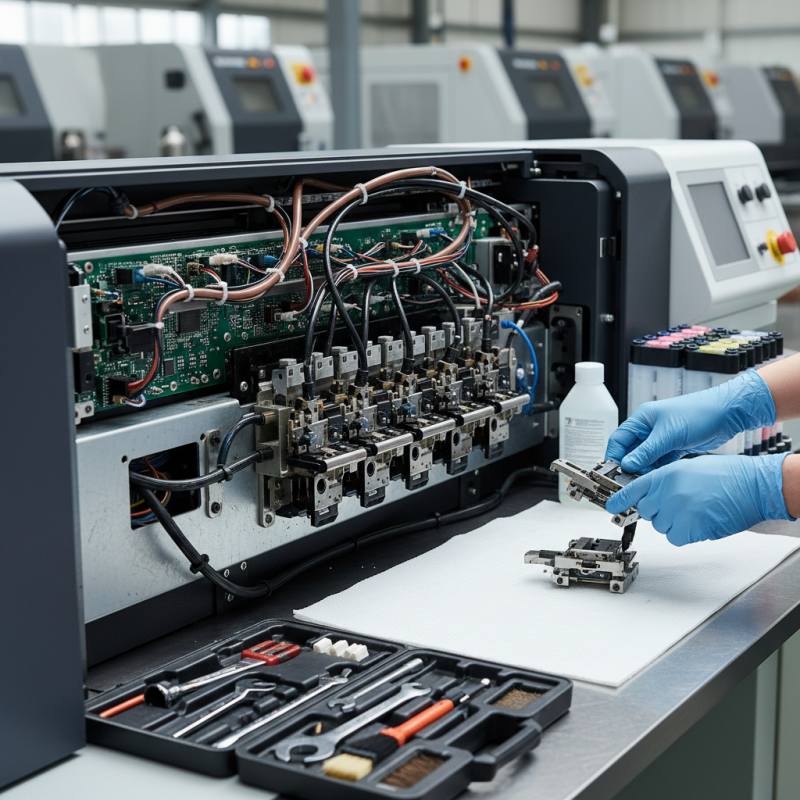
Factors Influencing Industrial Inkjet Printer Maintenance Costs
The maintenance costs of industrial inkjet printers can vary significantly based on several key factors. One primary factor is the printer's size and complexity. According to recent industry reports, larger machines usually require more maintenance, resulting in higher costs. This can range from routine cleaning to complicated repairs, driving up total expenses.
Another influencing factor is the volume of print jobs. Printers operating at high capacities often face more wear and tear, increasing maintenance frequency. Research indicates that businesses averaging over 10,000 prints per month may incur 15-30% higher maintenance costs than those with lighter workload. Additionally, ink and consumable quality play a role. Subpar materials can lead to more frequent clogging or malfunction, ultimately prompting costly service interventions.
Labor costs should also be factored in. Skilled technicians may demand higher wages, impacting overall maintenance budgets. In many cases, companies might not have the in-house expertise, necessitating outsourced services. This situation creates room for reflection on whether investing in staff training could yield lower long-term maintenance costs. Thus, understanding these factors is crucial for companies looking to budget accurately for inkjet printer upkeep.
Industrial Inkjet Printer Maintenance Cost Analysis
Typical Maintenance Tasks and Their Associated Costs
Maintaining an industrial inkjet printer involves several crucial tasks that can accumulate costs. Regular maintenance tasks, such as cleaning print heads and replacing filters, are essential for optimal performance. The cost of cleaning supplies can range from $50 to $200 annually, depending on usage and printer type. Additionally, print head replacements can cost between $400 and $1,000 each, reflecting the importance of timely upkeep.
Other routine checks, such as calibrating systems and updating software, also contribute to overall expenses. These tasks, often neglectable, play a significant role in maintaining print quality. Regular software updates can incur costs of up to $300 a year, while calibration might require professional services costing $200 or more per session. Ignoring these tasks can lead to inefficiencies, manifesting in increased waste and product defects.
Overall, the total maintenance costs for industrial inkjet printers can easily reach $2,000 annually. This figure depends on the usage level and specific models. Inconsistent maintenance could lead to a steeper cost over time, as delays in resolving minor issues often worsen. Following a structured maintenance plan is crucial, and businesses must weigh short-term savings against long-term benefits.
Comparing Costs: In-House vs. Outsourced Printer Maintenance
When deciding between in-house and outsourced industrial inkjet printer maintenance, cost is a critical factor. In-house maintenance typically involves a fixed salary for technicians, alongside expenses for tools and training. According to a recent industry analysis, these costs can add up to roughly $30,000 to $50,000 annually for a small team of technicians. This does not include unexpected repairs, which can significantly increase overall spending.
Outsourcing maintenance offers a different financial picture. Companies may pay a flat fee or use a pay-per-service model. Reports indicate that this cost structure can lead to savings of 15% to 25% compared to in-house maintenance. However, relying on an external provider might raise concerns about response times and service quality. Companies must evaluate their specific needs and potential trade-offs.
It’s essential to weigh long-term relationships with suppliers against immediate savings. The perceived reliability of maintenance services may vary greatly. Some organizations have found that outsourced maintenance leads to longer downtime due to logistical delays. Yet, others appreciate the flexible support that allows them to scale operations without the overhead of full-time staff. Each approach has its benefits and drawbacks, making a careful analysis vital.
Long-Term Cost Considerations for Industrial Inkjet Printers
When considering the long-term cost of maintaining an industrial inkjet printer, several factors come into play. Regular maintenance includes cleaning and replacing parts. These services can add up over time. Operators often overlook the importance of routine check-ups. This oversight may lead to more costly repairs later.
Consumables such as inks and fluids also impact overall costs. The price for high-quality inks can fluctuate. This variation can affect your budget significantly. Additionally, printer downtime is a hidden cost. When a printer is out of service, production can suffer. This loss may not be immediately apparent but can have lasting effects.
Investing in operator training is another cost consideration. Skilled operators can reduce errors and ensure efficient printer performance. However, initial training costs can be a hurdle for some businesses. It's essential to weigh these long-term benefits against the immediate financial outlay. Ultimately, the maintenance cost of an industrial inkjet printer is not just about expenses, but also about the value derived from consistent performance and productivity.
How Much Does Industrial Inkjet Printer Maintenance Cost? - Long-Term Cost Considerations for Industrial Inkjet Printers
| Maintenance Task |
Frequency |
Average Cost ($) |
Estimated Annual Cost ($) |
| Printhead Cleaning |
Weekly |
50 |
2,600 |
| Routine Inspections |
Monthly |
100 |
1,200 |
| Part Replacement |
Quarterly |
300 |
1,200 |
| Software Updates |
Annually |
200 |
200 |
| Ink Replacement |
Weekly |
150 |
7,800 |
| Emergency Repairs |
As Needed |
500 |
Variable |
Budgeting for Unexpected Repairs and Maintenance Needs
Maintaining an industrial inkjet printer involves more than just regular checks. Budgeting for unexpected repairs is crucial. Industry data shows that maintenance costs can range from $1,000 to $5,000 annually. This variability often stems from factors like the printer's usage and the specific environment it operates in.
Unexpected breakdowns can happen. According to a 2022 industry report, 30% of organizations faced unplanned maintenance costs that exceeded their initial budgets. For a typical facility, this can mean an unanticipated expense of $2,500 or more. Keeping a reserve fund of at least 10-15% of your total maintenance budget can help cushion these financial hits.
Trying to save on maintenance can backfire. Delaying essential repairs often leads to bigger issues. A technical survey noted that companies lost an average of 8% of their productivity due to printer downtimes. Implementing a proactive maintenance strategy, thus, becomes not just beneficial but essential for long-term cost efficiency. Remember, neglecting maintenance can lead to higher operational costs and loss of competitive edge.
FAQS
: Common tasks include cleaning print heads and replacing filters. Calibration and software updates are also essential.
Cleaning supplies may range from $50 to $200 each year based on usage and the printer type.
Replacing print heads can cost between $400 and $1,000 each, depending on the specific printer.
Ignoring maintenance can lead to higher inefficiencies and increased waste, resulting in greater long-term expenses.
Calibration services can cost $200 or more per session. Regular calibrations help maintain print quality.
Total annual maintenance costs can reach $2,000, varying with usage level and printer models.
In-house maintenance can cost $30,000 to $50,000 annually, while outsourcing might save 15% to 25%.
Outsourcing offers potential savings and flexibility but may also lead to concerns about response times.
Companies need to evaluate immediate savings against the reliability of service and long-term relationships.
Some organizations experience longer downtimes due to logistical delays with outsourced maintenance.
Conclusion
Maintaining an industrial inkjet printer involves various costs influenced by several factors, including the frequency of use, the environment in which the printer operates, and the specific maintenance tasks required. Typical maintenance tasks include routine cleaning, replacing print heads, and performing software updates, all of which can add up significantly. When considering "how much does it cost to maintain an industrial inkjet printer," businesses must also weigh the options between in-house maintenance versus outsourcing services, as each has its own financial implications.
Moreover, long-term cost considerations are crucial; investing in preventive maintenance can reduce unexpected repairs and prolong the printer's lifespan. Budgeting for unforeseen maintenance needs is essential in ensuring smooth operations and minimizing downtime. Understanding these elements can help businesses make informed financial decisions regarding their industrial inkjet printer maintenance.

 DD-Tech Print