China Top 10 Tips for Choosing the Right Textile Digital Printer?

Time:2026-07-28 Author:Aria
0%

In the rapidly evolving textile industry, choosing the right equipment is crucial. Digital printers have revolutionized the way fabrics are manufactured and designed. According to a report by Smithers Pira, the global digital textile printing market is projected to reach $2.3 billion by 2025. This growth underscores the importance of selecting the right digital printer for your business needs.

When considering "how to choose the right textile digital printer for my business," various factors come into play. Businesses must evaluate aspects like print quality, speed, and material compatibility. The right printer can optimize production processes, reduce waste, and improve design flexibility.

However, the decision can be daunting. With numerous options available, it's easy to feel overwhelmed. Each printer has its pros and cons. Focusing on specific requirements and industry standards can guide your choice, ensuring you invest wisely in a technology that meets your operational demands. The right decision will not only impact productivity but also your competitive edge in the market.
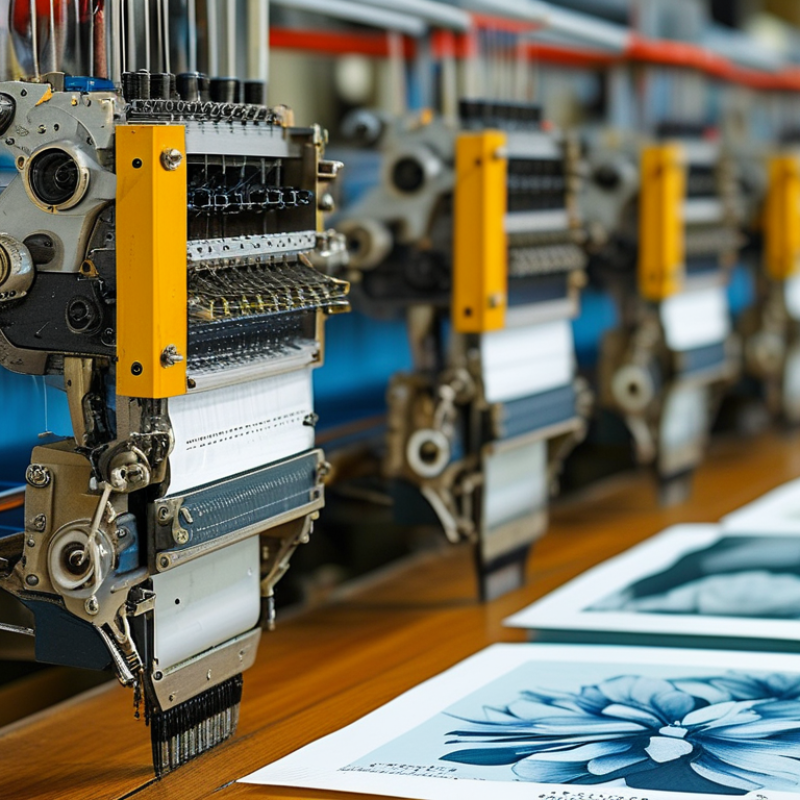
China Top 10 Tips for Choosing the Right Textile Digital Printer?

Understanding Your Printing Needs: Fabric Type and Application

When selecting a digital textile printer, understanding your specific printing needs is crucial. The type of fabric you plan to print on greatly influences your choice. Different fabrics, such as cotton, polyester, or silk, absorb ink differently. Each fabric requires a specific printing technique for optimal results. For instance, cotton holds dye well but may not yield vibrant colors like synthetic fabrics.

Application is another key factor. Are you printing for fashion, home decor, or industrial use? Each sector has different requirements. Fashion might demand high-resolution prints with a wide color gamut. Industrial applications could prioritize durability and wash fastness. Not all printers excel in every application. It's essential to align your printer choice with the intended use to avoid wasting resources.

Consider also the learning curve and maintenance requirements. Some printers are easier to operate than others. A complicated setup could hinder productivity. Regular maintenance is necessary for consistent quality, but it can be labor-intensive. Balancing ease of use with output quality will impact long-term satisfaction with your investment.

Textile Digital Printer Selection - Fabric Types and Applications

Evaluating Printer Technology: Ink Types and Print Speed Considerations

When evaluating printer technology, understanding ink types and print speeds is crucial. Ink determines the vibrancy and durability of printed textiles. Common ink types include reactive, dye-sublimation, and pigment inks. According to a report from Smithers Pira, dye-sublimation inks offer the best color range, but they may not perform as well on all fabric types. Reactive inks are ideal for cotton blends, providing vivid colors and excellent wash fastness.

Print speed impacts production efficiency. High-speed printers can print up to 1,600 square meters per hour, significantly reducing turnaround times. However, faster speeds often lead to compromises in image quality. Research indicates that print quality may decline at speeds above 1,200 square meters per hour. Evaluating the balance between speed and quality is necessary for businesses aiming to meet deadlines without sacrificing customer satisfaction. An analysis of your specific needs should guide your choice. Consider the variety of fabrics you plan to print on and your target market to ensure you make an informed decision.

Assessing Budget Constraints: Initial Costs and Long-term Expenses

When choosing a textile digital printer, budget considerations are essential. The initial costs can vary significantly based on the printer's capabilities. A low-cost option might seem attractive at first. However, hidden costs can add up quickly. Maintenance, inks, and repairs should be factored in. These costs can often surpass the initial investment over time. It’s crucial to understand what you're truly spending.

Long-term expenses are often overlooked but vital for overall budgeting. Think about the operational costs tied to energy consumption and ink usage. A printer with lower running costs may save money in the long run. Researching the right printer can yield benefits. Comparing different models helps visualize long-term savings.

Don't forget about the potential for technological advancements. As technology evolves, some printers may become obsolete faster than anticipated. Choosing a printer with upgradable features can provide longevity and adaptability. This option could also address potential industry shifts. Reflecting on these factors is fundamental for informed decision-making.

Considering Maintenance and Support: Service Agreements and Reliability

When choosing a textile digital printer, maintenance and support are crucial aspects. Service agreements can significantly enhance your printing experience. A reliable service plan often includes regular check-ups and quick response times for repairs. This ensures minimal downtime, which can be detrimental to your operations. Don't underestimate the importance of having expert technicians available when issues arise.

Reliability is another important factor. It’s not just about the printer's performance; it’s about its longevity too. Research shows that printers with extensive support systems tend to last longer. However, some companies might not offer comprehensive services. Consider asking other users about their experiences with customer support. A printer’s reliability often hinges on the quality of its service agreements.

In the long run, your choice should balance initial costs with future maintenance needs. Think about potential hidden costs related to service. While a low upfront price tag is attractive, it may lead to higher expenses later. Evaluate how service agreements fit into your budget and your operational needs. It’s worth considering if investing in a higher-priced model with better support is the right path for you.

Researching Vendor Reputation: Reviews and Industry Expertise

When selecting a textile digital printer, vendor reputation is vital. Researching reviews can provide insights into the experiences of other users. A recent report indicated that 72% of businesses consider online reviews when choosing equipment. Positive feedback often reflects reliability and service quality, while negative reviews can highlight potential issues.

Industry expertise also plays a significant role. Vendors with long-standing experience often demonstrate a deeper understanding of market demands. Data shows that companies with over five years of experience have a 35% higher satisfaction rate among clients. Exploring case studies can reveal how vendors overcome challenges and innovate in the textile sector.

It's important to consider the balance of these factors. Some vendors may have a stellar reputation but lack personalized service. Others might be newer but offer advanced technology. Evaluating all aspects ensures you get the best fit for your needs. Don't overlook the importance of personal referrals; they can often lead to hidden gems in the industry.

FAQS

: What are the main types of ink used in printing?

: Common ink types include reactive, dye-sublimation, and pigment inks. Each has unique properties.

How does ink choice affect print quality?

Ink choice impacts vibrancy and durability. Dye-sublimation inks offer a broad color range, but not for all fabrics.

What is the maximum speed of high-speed printers?

High-speed printers can print up to 1,600 square meters per hour but may compromise image quality.

What speed is ideal for maintaining good print quality?

Optimal print quality tends to decline at speeds above 1,200 square meters per hour. Balance is key.

How should budget constraints influence printer selection?

Initial costs vary greatly. Consider long-term expenses like maintenance and ink, which can exceed initial investments.

Why are long-term operational costs important?

Overlooking operational costs can impact finances. Lower running costs can lead to savings over time.

How can technology advancements affect printer longevity?

Faster technological changes may render some printers obsolete. Upgradable features can help maintain relevance.

What should businesses evaluate when choosing a printer?

Assess specific needs, fabric types, and target markets for informed decisions.

Are there hidden costs in printer ownership?

Yes, maintenance, inks, and repairs can add up over time. Understand your total spending to avoid surprises.

Conclusion

Choosing the right textile digital printer for your business requires careful consideration of various factors. First, understanding your printing needs is crucial; the type of fabric and its intended application will significantly influence your decision. Next, evaluating printer technology, including the types of ink available and print speed, can help you align the equipment with your production goals.

Furthermore, it's essential to assess your budget constraints, factoring in both initial costs and long-term expenses. Maintenance and support are also vital—considering service agreements and the reliability of the machine will ensure smoother operations over time. Lastly, researching vendor reputation through reviews and industry expertise can guide you toward making an informed choice. By systematically addressing these areas, you can confidently navigate how to choose the right textile digital printer for your business.

Aria

Aria

Aria is a dedicated marketing professional with a deep passion for innovative strategies and a keen understanding of our company's product offerings. With a wealth of experience in the industry, Aria excels at crafting engaging content that highlights the unique features and benefits of our......