In today's rapidly evolving printing industry, safety remains paramount. According to Jane Doe, an industry expert with over 15 years of experience, "Prioritizing safety protocols can prevent accidents and ensure a smooth workflow." The question arises: "What are the common safety protocols for operating digital presses?" Understanding these protocols is essential for operators and companies alike.
Digital presses come with various hazards. Proper training and safety measures can significantly reduce risks. For instance, operators should always wear appropriate personal protective equipment. Moreover, a clear workflow and well-organized workspace can prevent accidents. Regular maintenance of equipment is also crucial to ensure safety.
Unfortunately, many facilities overlook vital safety practices. Some might believe that their current measures are sufficient. This complacency can lead to dangerous incidents. Continuous education and adherence to updated protocols are necessary for a safe working environment. Engaging with experts helps reinforce the importance of safety in digital printing.
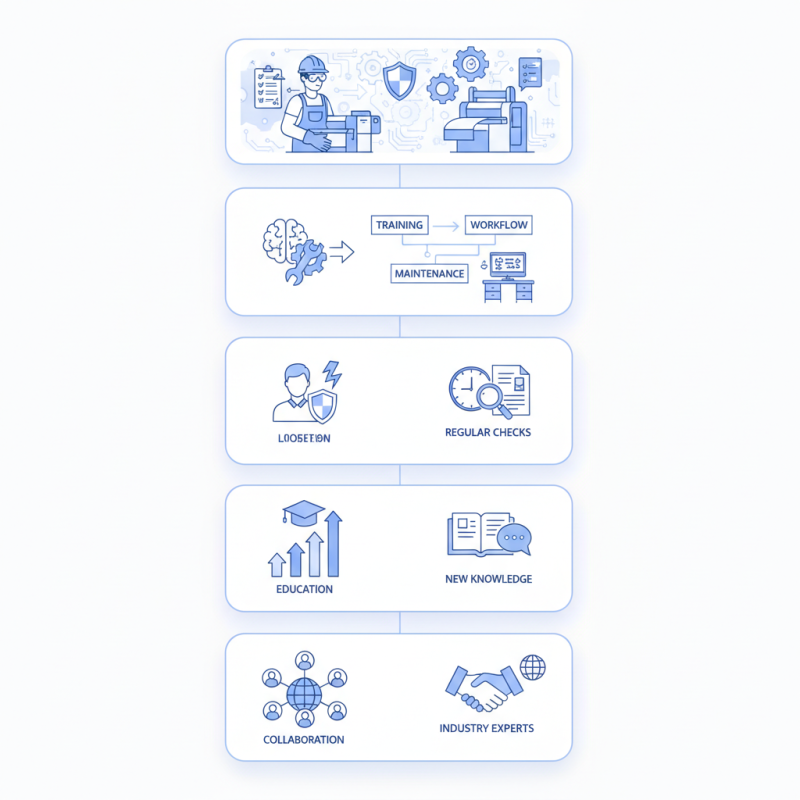
Operating digital presses requires strict adherence to safety protocols. These protocols safeguard not only the equipment but also the operators. Regular training ensures that all personnel are familiar with the latest safety measures. Staff must understand emergency shut-off procedures and ergonomics to reduce strain. The workspace should be organized, with clear walkways and proper storage for materials.
Monitoring equipment is crucial. Frequent inspections can identify worn parts and prevent accidents. Operators should report any irregular sounds or malfunctions immediately. Proper use of personal protective equipment (PPE) is also essential. This includes gloves, safety glasses, and hearing protection. Each component plays a role in maintaining safety.
Despite these precautions, accidents can still occur. It’s vital to foster an environment where staff feel comfortable reporting near misses. Reflecting on incidents helps improve safety protocols. Communication within the team about safety concerns can lead to better practices. A safety-first culture not only protects employees but enhances operational efficiency as well.
Operating digital presses can be rewarding, but it comes with potential hazards. Understanding these risks is crucial for ensuring a safe work environment. Common issues include mechanical hazards, electric shocks, chemical exposure, and ergonomic challenges.
Tips: Regular training sessions can keep operators informed about the latest safety protocols. Check emergency stops regularly to ensure they work effectively.
In digital press operations, it’s vital to identify and assess risks. For instance, loose parts can lead to accidents. Operators should maintain a tidy workspace to prevent tripping hazards. Spotting worn-out equipment is also essential; delay in repairs can escalate problems.
Tips: Conduct routine inspections. Use checklists to ensure every part of the press is safe before starting work. Creating a safety culture encourages proactive behavior among employees.
This chart illustrates the distribution of identified hazards in digital press operations along with the recommended safety protocols to mitigate these risks.
In the world of digital printing, ensuring operator safety is non-negotiable. Essential personal protective equipment (PPE) plays a key role in minimizing risk. According to industry statistics, around 30% of workplace injuries in printing involve hand injuries. Consequently, gloves are crucial. They protect against cuts and chemicals while allowing dexterity.
Hearing protection is another vital aspect. The digital press environment can exceed noise levels of 85 decibels. Prolonged exposure to such noise can lead to irreversible damage. Therefore, earmuffs or earplugs should be standard gear for operators. This need is especially pronounced in larger facilities where multiple machines operate simultaneously.
Beyond gloves and hearing protection, eye safety cannot be overlooked. Digital presses emit bright lights and potential flying debris. Safety goggles are critical; they shield against irritants and impacts. The Occupational Safety and Health Administration (OSHA) emphasizes the importance of proper eyewear. However, many operators still neglect this necessity due to discomfort or poor fit. This oversight highlights a gap in training and awareness, which needs addressing for better safety outcomes.
Operating digital presses requires strict adherence to safety protocols. Standard Operating Procedures (SOPs) play a crucial role in ensuring safe press use. Having a clear SOP can minimize risks and enhance workplace safety. Operators must be trained extensively on these procedures to avoid accidents.
Tips: Always keep safety gear within reach. Regularly inspect equipment for any signs of wear. Misuse of tools can lead to serious injuries. Encourage open communication about safety concerns among staff. This creates a culture of awareness and responsibility.
Another critical aspect is staying updated on safety regulations. Procedures may change based on new technology or findings. Conducting periodic training sessions is essential. They reinforce safety concepts and address any shortcomings in existing protocols. Remember, complacency can lead to oversights. Being proactive fosters a safer work environment, ultimately benefiting everyone involved.
| Protocol | Description | Frequency | Responsible Party | Notes |
|---|---|---|---|---|
| Wear Personal Protective Equipment (PPE) | Ensure all operators wear appropriate PPE such as gloves, goggles, and masks. | Every Shift | Operators | Regularly inspect PPE for wear and tear. |
| Machine Safety Check | Conduct thorough check of machine components and emergency stops. | Before Each Use | Operators | Document any issues and report immediately. |
| Training and Certification | All operators must complete safety training and be certified. | Annually | Safety Coordinator | Keep records of training for compliance. |
| Emergency Procedures | Review and practice emergency procedures regularly with all staff. | Quarterly | All Staff | Update procedures as needed. |
| Manual Lockout/Tagout | Follow lockout/tagout procedures to ensure machines are properly shut off during maintenance. | Every Maintenance | Maintenance Team | Ensure all staff are trained on these procedures. |
Regular maintenance and safety checks are crucial for digital presses. According to industry reports, improper maintenance accounts for 30% of machine failures. This statistic highlights the importance of establishing a routine care schedule. Regular checks can help identify wear and tear before it escalates into a costly breakdown.
Safety checks should include examining electrical connections, ensuring proper ventilation, and clearing any debris. A study from the Printing Industries of America suggests that 70% of printing accidents could be prevented with diligent safety practices. These measures not only protect employees but also extend the life of your equipment.
Neglecting maintenance is a common oversight. Many operators believe that if the machine runs smoothly, it needs no attention. This mindset can lead to accidents and production delays. A documented maintenance log can help focus on areas needing improvement. Regular reviews foster a culture of safety and operational efficiency.
: Common hazards include mechanical issues, electric shocks, chemical exposure, and ergonomic challenges.
Regular training sessions keep operators aware of the latest safety measures.
A tidy workspace prevents tripping hazards and reduces the risk of accidents.
Conduct routine inspections to ensure all equipment is safe and functioning properly.
SOPs minimize risks and enhance workplace safety through clear and accessible guidelines.
Encourage open communication about safety concerns among staff, promoting awareness and responsibility.
Safety checks should examine electrical connections, ventilation, and clear any debris.
Operators may believe running equipment needs no attention, which can lead to accidents.
Documented maintenance logs help identify areas needing improvement and foster operational efficiency.
Complacency can lead to oversights, causing accidents and injuries on the job.
The article "2026 Best Safety Protocols for Operating Digital Presses" provides a comprehensive overview of essential safety measures that ensure the well-being of operators in digital printing environments. It begins by identifying potential hazards associated with digital press operations, emphasizing the importance of recognizing risks such as electrical shock, moving parts, and chemical exposure. The article further discusses the essential personal protective equipment (PPE) required for operators, including gloves, goggles, and hearing protection to prevent injuries.
Moreover, standard operating procedures are outlined to foster safe press use, detailing best practices for handling equipment and materials. Regular maintenance and safety checks are also highlighted as critical components in maintaining equipment safety and longevity. In summary, the article addresses the question "What are the common safety protocols for operating digital presses?" by providing key insights into safety practices, hazard identification, and the implementation of routine checks to ensure safe operation.

DD-Tech Print