In the world of fabric printing, understanding "Which ink type is best for polyester fabric printing" is crucial for achieving vibrant and durable results. Experts agree that the choice of ink significantly impacts print quality. According to a leading fabric printing expert, Dr. Emily Turner states, “Dye sublimation ink provides the best results for polyester because it bonds with the fabric fiber.”
Polyester is a unique material that requires specific inks to ensure adhesion and longevity. Many printing companies overlook this aspect, leading to fading and peeling prints. For instance, while UV inks are popular, they may not perform well on polyester. This can result in unwanted surprises post-printing, such as cracking or dull colors.
Reflecting on these choices often reveals gaps in knowledge. Each printing method has its own strengths and weaknesses. Many businesses struggle to find the right balance between cost and quality. Exploring different ink options is essential. A more informed selection can elevate print quality, satisfaction, and product longevity.
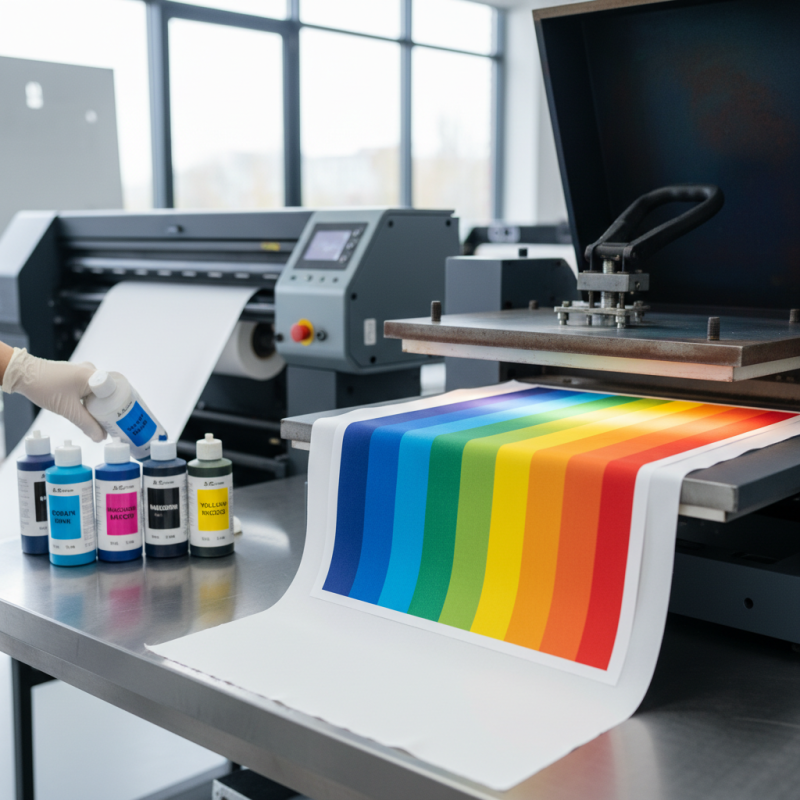
When it comes to printing on polyester fabric, the choice of ink is crucial. Sublimation inks are the most popular option. This ink type transforms from solid to gas when heated. Research shows sublimation inks penetrate the fibers. This results in vibrant and durable prints. They are known for excellent wash fastness and resistance to fading.
Other suitable inks include reactives and disperse inks. Reactive inks bond well with polyester, especially in mixed fabrics. They perform well in direct-to-fabric printing. However, their wash durability may not match sublimation inks. Disperse inks, often used in dye transfer printing, also provide vibrant results. They require a carrier paper and heat pressing but may struggle with stretchability.
A report from Smithers Pira indicates that the digital textile printing market will grow by 20% by 2027. The rise in demand for sustainable printing solutions greatly influences this growth. Polyester, being recyclable, is a preferred choice. As the market evolves, selecting the right ink type remains a topic of debate. Each option has its own pros and cons, which can frustrate newcomers in the industry. Validating each choice requires experience and understanding of fabric properties.
When it comes to printing on polyester fabric, the choice boils down to dye sublimation and pigment inks. Dye sublimation is often favored for its vibrant colors. It works by converting the dye into gas, allowing it to bond with the fabric fibers. This results in photographs with stunning detail and seamless designs. The colors appear longer-lasting due to the deep penetration, making it an ideal choice for sportswear and promotional items.
However, dye sublimation is not without challenges. The process requires specific printer setups and polyester-specific products. Not all users have access to this equipment, which can limit its popularity. On the other hand, pigment inks offer versatility. They print well on various surfaces, including cotton and blends. These inks sit on top of the fabric, providing a different look. Pigment ink prints are less vibrant but are excellent for designs with fine text and intricate details.
While many prefer one type, the choice ultimately depends on the project requirements. Both inks have unique advantages and drawbacks. Dye sublimation may produce breathtaking visuals, but pigment inks provide ease and flexibility. Users should weigh these factors carefully based on their specific needs.
When selecting ink for polyester printing, several important factors must be considered. Polyester is a synthetic fabric that can be challenging for certain inks. Dyes, pigments, and their compatibility with fabric are key. Sublimation inks, for example, are popular for polyester. They bond well with the material, allowing vibrant colors and durability. However, the choice of dye can affect the final outcome.
Temperature is another critical aspect. High heat is often necessary for sublimation, which can pose risks. Overheating can lead to fabric damage or color bleeding. Testing on sample fabrics is highly recommended. It ensures that the ink adheres properly without compromising quality.
Another consideration is the ink’s opacity. Not all inks perform equally on dark versus light polyester. High-opacity inks may be needed for darker fabrics. Conversely, lighter materials may allow for more translucent inks. Each choice has its implications on the final print. It's essential to find a balance between color vibrancy and fabric integrity. So, continuous testing and adjustment are vital for achieving the best results.
| Ink Type | Color Vibrancy | Durability | Drying Time | Heat Resistance |
|---|---|---|---|---|
| Dye Sublimation Ink | High | Excellent | Fast | Good |
| Pigment Ink | Moderate | Fair | Moderate | Excellent |
| Solvent Ink | High | Good | Slow | Good |
| Eco-Solvent Ink | High | Good | Moderate | Good |
| UV Ink | Moderate | Excellent | Moderate | Excellent |
When printing on polyester fabrics, choosing the right ink is crucial. Dye-sublimation inks are popular due to their vibrant colors and durability. Reports indicate that dye-sublimation can yield color reproduction exceeding 90% accuracy. This is particularly important for high-quality apparel and promotional items.
Preparation is key for successful printing. Ensure the fabric is clean and free from oils or dust. Pre-treating polyester fabrics can enhance ink adhesion. A research study showed that pre-treatment can improve print quality by around 30%. It's also vital to maintain the printer settings properly, as improper configurations can lead to ink bleed or fading.
Post-printing care is often overlooked. Proper heat treatment helps set the ink and improve washfastness. Many experts recommend using a heat press for best results. However, some users report challenges with temperature control, which can lead to inconsistencies. Regular maintenance of printing equipment is necessary to avoid printing errors and downtime, as a lack of routine checks can impact overall print quality. Fine-tuning processes based on feedback is essential for achieving optimal results.
Printing on polyester fabric presents unique challenges, largely due to its synthetic nature. This material often repels water-based inks, resulting in poor adhesion and fading over time. According to a report from the Specialty Printing Industry, nearly 70% of printers encounter difficulties with ink performance on synthetic fabrics. The compatibility of ink types is crucial. Dye-sublimation and UV curable inks are often recommended for their strong adhesion properties.
Heat sensitivity is another common hurdle. Polyester can warp or damage under excessive heat, which complicates the printing process. Studies show that optimal heat transfer settings are essential, with a maximum of 400°F recommended for successful dye-sublimation. However, achieving consistent results remains elusive, often requiring several trials and errors. Printers must meticulously calibrate their equipment to avoid compromising fabric integrity.
Additionally, color reproduction poses significant challenges. Achieving vibrant colors on polyester requires precise color management. Reports indicate that color mismatches occur in 40% of cases due to improper profiling. Inconsistent results can lead to customer dissatisfaction. Implementing a robust color-check system can mitigate these discrepancies, yet this requires a learning curve. Thus, while polyester printing offers great potential, it demands careful consideration and expertise.
: Sublimation inks are the most popular choice. They create vibrant and long-lasting prints.
These inks change from solid to gas with heat. They penetrate fabric fibers, resulting in colorful designs.
Yes, reactive and disperse inks can also work. However, they may have different durability levels than sublimation inks.
A clean fabric ensures better ink adhesion. Dust or oils can negatively affect print quality.
Pre-treating can improve ink adhesion by about 30%. It helps achieve clearer and sharper images.
Heat treatment helps set the ink, which improves washfastness. It’s essential for long-lasting prints.
Many users struggle to maintain ideal temperatures. Inconsistent heat can cause print defects and fading.
Lack of maintenance can lead to printing errors and downtime. Routine checks help maintain print quality.
Fine-tuning based on feedback is key. It helps in adjusting methods for better results.
Each ink type has pros and cons. Understanding fabric properties and printing needs is essential.
When considering which ink type is best for polyester fabric printing, it is essential to evaluate the available ink options, primarily dye sublimation and pigment inks. Dye sublimation is favored for its vibrant colors and durability, effectively infusing ink into the fabric, making it ideal for all-over prints. In contrast, pigment inks offer more versatility but may not achieve the same level of color vibrancy on polyester.
When choosing ink for polyester, factors like the intended application, the desired finish, and compatibility with printing technology must be taken into account. Best practices include pre-treating fabrics and ensuring proper heat settings to avoid common challenges such as ink bleeding or fading. By understanding these aspects, printers can optimize their results and choose the right ink type suitable for their specific polyester fabric projects.

DD-Tech Print