In the world of tile design, achieving stunning visual effects is crucial. Digital glazing technology offers an innovative solution. Experts like Mark Thompson, a leading figure in the tile manufacturing industry, have emphasized the potential of this method. He once stated, “Digital glazing truly transforms tiles into breathtaking works of art.”
Many creators struggle to realize the full potential of their designs. Understanding how to achieve 3D effects on tiles using digital glazing is key. This technique can elevate interior spaces, offering depth and richness that traditional methods cannot match. The intricate layers created by digital glazing can capture light beautifully, enhancing colors and textures.
Yet, challenges remain. Not all designs translate well into 3D effects. Some techniques may yield uneven results, leading to disappointment. Refinement through practice and exploration is essential. Tile designers must continuously seek ways to improve their skills. Embracing imperfection can lead to unique artistic expressions, ultimately enhancing the quality and appeal of their work.
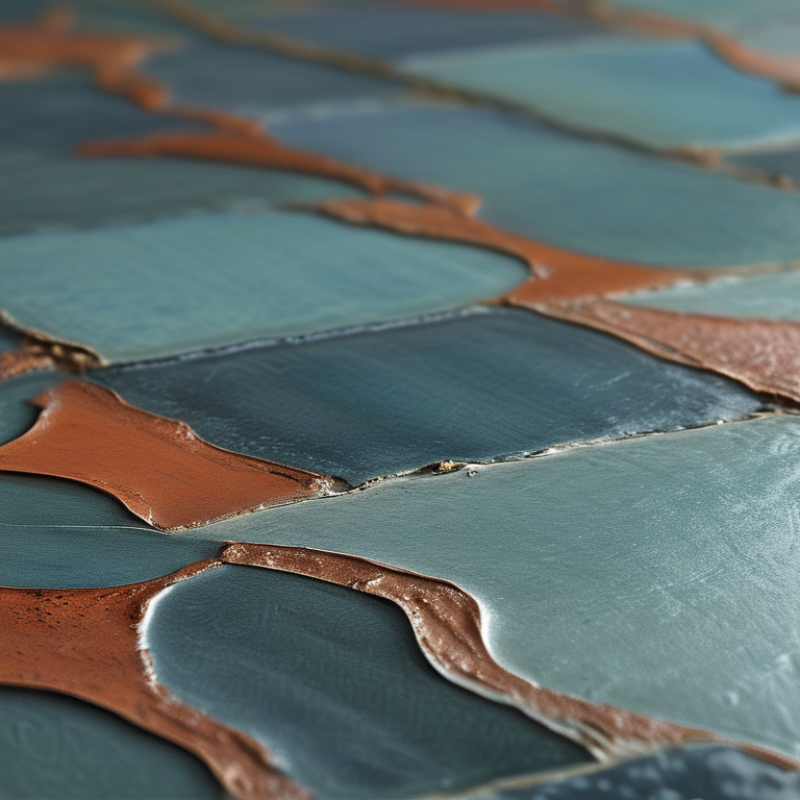
Digital glazing on tiles opens the door to stunning 3D effects. Techniques for achieving depth involve careful layering and color selection. Start with a base glaze that enhances the tile's texture. This foundational step can set the mood for the entire design.
Next, consider adding highlights and shadows. These elements create the illusion of depth. Use contrasting colors to define shapes and dimensions. The interplay of light and dark contributes to a more dynamic appearance. Experimenting with different patterns can also yield surprising results. The process can be tricky, as not all color combinations work seamlessly.
It’s vital to test your glazes before committing to a final design. Not every angle or light source will reveal the intended effect. Reflect on your results and adjust your approach as needed. 3D effects in digital glazing require patience. Embrace the process and allow your creativity to unfold.
Understanding color theory is essential in achieving stunning 3D effects on tiles through digital glazing. The use of color not only affects aesthetics but also impacts perception of depth and texture. Research shows that 70% of consumers make decisions based on color alone. In tile design, hues can create illusions, making surfaces appear three-dimensional.
Moreover, the psychological aspect of color plays a role in design choices. For instance, warm colors may create a sense of closeness, while cool colors can enhance spaciousness. A recent report indicated that 85% of respondents noted that different colors influenced their mood in a space. This effect becomes even more pronounced when combined with gloss and matte finishes in digital glazing. Experimentation is vital here, as trial and error can lead to surprising outcomes, encouraging designers to push creative boundaries.
However, understanding color combinations is complex. Not every color pairing works harmoniously. Conflicting shades can diminish the overall visual impact. Designers must be cautious when selecting palettes, ensuring they consider how varied colors interact in different lighting conditions. This reflection can lead to enhanced outcomes, fostering greater creativity in tile design.
Material selection plays a vital role in achieving stunning 3D effects in glazed tiles. Different materials respond uniquely during the glazing process, impacting texture and depth. For instance, high-quality clay can enhance surface details, giving an impression of dimension. Meanwhile, the thickness of the tile can affect the overall aesthetic, as thicker tiles often amplify the 3D effect.
Color choice is just as crucial. Glazes with varying gloss levels can create interesting contrasts and highlight texture. A matte finish may soften sharp edges, while a glossy surface can create striking reflections. However, not every combination yields the intended result. Experimentation is key; some materials may not blend well, leading to unexpected outcomes.
Moreover, the firing temperature influences how materials react. Higher temperatures can sometimes enhance the glaze's visual impact, but they may also lead to warping. This uncertainty in results requires careful consideration and testing. Ultimately, mastering material selection involves a balance of science and art, making it both a challenge and an adventure in tile design.
The use of 3D digital glazing has transformed the tile industry. A recent study found that 45% of manufacturers reported an increase in customer interest when using 3D effects. This shift can be attributed to appealing aesthetics and advanced technology.
Case studies show how some companies have embraced this innovation to stand out in a competitive market.
Take, for example, a notable implementation in Europe. A ceramic tile manufacturer integrated 3D digital glazing into their production line. This resulted in a 30% boost in sales within the first quarter. However, they faced challenges with quality control. Not every tile met the high visual standards expected by consumers. This highlights the importance of a rigorous testing process to ensure consistency in 3D effects.
Another case involved an innovative startup that used digital glazing for residential tiles. The feedback was overwhelmingly positive. Customers appreciated the depth and texture added to their homes. Yet, the startup had trouble sourcing the right raw materials. This often caused delays, impacting their ability to deliver. Balancing quality with production efficiency remains a significant hurdle in the pursuit of excellence in 3D digital glazing.
The landscape of 3D tile glazing is evolving rapidly. Innovations are driving new techniques and artistic expressions in tile design. These advancements focus on enhancing texture and depth, making tiles more visually engaging. Digital glazing technology is improving, offering greater accuracy and sophistication. This shift brings fresh perspectives for designers, as they explore the potential of three-dimensional effects.
Considering the current trends, sustainability plays a key role. Many manufacturers are investing in eco-friendly materials and processes. This transition is not easy, as challenges remain in sourcing green alternatives without compromising quality. Moreover, the balance between creativity and practicality often leads to debates among industry professionals. Digital tools are enhancing customization options, yet they require technicians with specialized training. This lack of expertise can slow down the adoption of new technologies.
Looking ahead, the future holds promise. Innovations like augmented reality in tile design could become commonplace. However, it’s essential for the industry to reflect on the impact of new technologies on craftsmanship. Maintaining a blend of tradition and modernity will be crucial. This path requires continuous dialogue among designers, manufacturers, and consumers, ensuring that creativity isn’t lost in the digital age.
| Method | Description | Benefits | Future Trends |
|---|---|---|---|
| Textured Surface Glazing | Utilizing advanced printing techniques to create tactile surfaces. | Enhances visual and physical interaction. | Integration with smart home technologies. |
| Layered Ink Application | Applying multiple layers of ink for depth. | Creates stunning contrasts and depth effects. | Development of eco-friendly inks. |
| High-Resolution Digital Printing | Utilizing high dpi printing to capture intricate details. | Increased design options with accurate detail. | Advancements in 3D printing technology. |
| Glaze Firing Techniques | Innovative firing processes to enhance glaze effects. | Improved durability and surface aesthetics. | Energy-efficient firing processes. |
| Emulsion Coating | Applying emulsion for a glossy finish. | Increases shine and highlights relief patterns. | New formulations with better adhesion. |
| Digital Water Transfer Printing | Transferring designs using water-based technology. | Unique and intricate designs without defects. | Increased use of sustainable materials. |
| Custom Glazing Options | Allowing customers to create unique designs. | Personalization and market differentiation. | Growing demand for bespoke designs. |
| 3D Relief Molds | Using molds to create deep texture in tiles. | Enhances dimensionality and shadow play. | Innovation in mold-making technologies. |
| Reactive Glazes | Glazes that change appearance during firing. | Creates unique effects with chemical reactions. | Exploration of new chemical compounds. |
| Augmented Reality Enhancements | Using AR to visualize tile designs in real-time. | Improves customer experience and decision-making. | Increased integration of AR in design processes. |
: Digital glazing creates stunning 3D effects on tiles through careful layering and color selection.
Begin with a base glaze that enhances the tile’s texture to set the mood for your design.
Adding highlights and shadows helps create the illusion of depth, using contrasting colors is essential.
Testing glazes ensures the intended effects are visible under different angles and light sources.
Sourcing eco-friendly materials without compromising quality remains a significant challenge for many designers.
Sustainability influences design practices, leading to debates about balancing creativity and practical solutions.
Future innovations may include augmented reality, enhancing customization in tile design and increasing engagement.
The increasing complexity of digital tools requires technicians with specific skills to effectively implement new technologies.
The industry must consider how new technologies affect craftsmanship and ensure creativity is not lost.
Continuous dialogue among designers, manufacturers, and consumers is key to maintaining a balance in tile design.
This article explores effective methods on how to achieve 3D effects on tiles using digital glazing. It begins by discussing various techniques for digital glazing that enhance depth on tile surfaces, highlighting the importance of color theory in creating visually appealing 3D designs. The selection of materials is also crucial, as different materials can significantly impact the overall 3D effect and quality of glazed tiles.
Additionally, the article presents case studies showcasing successful implementations of 3D digital glazing, illustrating the transformative potential of this technique in tile design. Finally, it examines industry trends and future innovations in 3D tile glazing technologies, suggesting a promising direction for the evolution of tile aesthetics. Overall, this comprehensive overview serves as a valuable resource for designers seeking to leverage digital glazing for more dynamic tile surfaces.

DD-Tech Print