2026 Top Benefits of Upgrading to a Single Pass Printer?

Time:2026-06-10 Author:Charlotte
0%

In the rapidly evolving printing industry, companies are urged to stay ahead. Upgrading to a single-pass printer can lead to significant operational improvements. A recent report from Smithers Pira states that digital printing is expected to grow with an annual rate of 9% through 2026. This trend highlights the urgent need for businesses to evaluate their printing technologies.

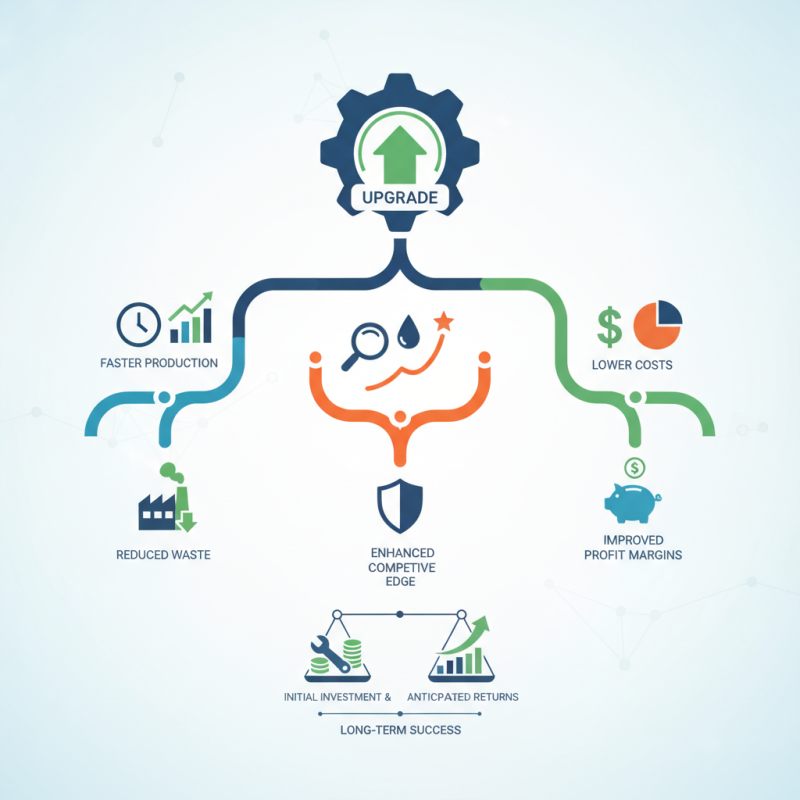
Many companies may wonder, "What is the ROI of upgrading to a single-pass printer?" The shift can optimize workflow and enhance quality, providing a competitive edge. This investment often results in reduced print runs and lower waste, which can directly impact profit margins. For example, a leading manufacturer reported a 30% decrease in production time after transitioning to single-pass technology.

However, businesses must also reflect on potential challenges. Transitioning to new equipment involves training and initial setup costs. Moreover, the technology's effectiveness depends on the specific needs of the organization. Carefully assessing these factors is crucial before making a decision. Balancing investment with anticipated returns is essential for achieving long-term success.
2026 Top Benefits of Upgrading to a Single Pass Printer?

Advantages of Enhanced Print Quality with Single Pass Printers

Single pass printers are revolutionizing the world of print quality. Industry reports indicate that businesses adopting these printers can achieve up to 30% better print quality compared to traditional systems. This advantage stems from their streamlined technology, which applies ink uniformly across the paper in a single motion. As a result, prints are sharper and colors are more vibrant.

Another key benefit lies in efficiency. Research shows that single pass printers can enhance productivity by 40%. This means faster turnaround times and reduced waiting periods for businesses. However, not all single pass printers deliver consistently high results. Users must consider factors like maintenance and print volume before making a decision. It’s essential to assess whether the financial investment aligns with the specific printing needs.

Durability in print quality is another compelling reason to switch. Single pass printers minimize ink smudging and fading over time. According to studies, prints can maintain their quality for years, even in demanding environments. Yet, potential buyers should reflect on the varying quality produced by different devices. Ensuring the right choice requires thorough research and consideration of user experiences.

Increased Efficiency and Speed in Printing Processes

Upgrading to a single pass printer significantly enhances efficiency and speeds up printing processes. These printers operate using a single pass technology, meaning they print on both sides of the paper simultaneously. This capability drastically reduces print time and workflow delays. For businesses that thrive on quick turnarounds, this advancement is invaluable.

Consider that traditional printers often require multiple passes for double-sided prints. This not only wastes time but can also lead to increased paper consumption. Switching to a single pass model could streamline production lines, allowing for faster delivery of printed materials.

Tips: Always assess your printing volume before making a decision. A printer's speed may be impressive, but consider if it matches your output needs. Keep an eye on maintenance requirements too, as faster machines sometimes demand more upkeep. Reflect on your current printing challenges. What bottlenecks do you face? Identifying these issues can help you choose the ideal upgrade.

Cost Savings: Lower Maintenance and Operational Expenses

Upgrading to a single pass printer can lead to significant cost savings over time. These printers work by allowing paper to pass through only once. This efficiency reduces wear and tear on moving parts, leading to lower maintenance costs. Companies can expect reduced operational expenses as fewer repairs and replacements will be needed.

In addition, single pass printers typically consume less energy. This can further decrease utility bills, a critical consideration for businesses aiming to cut costs. While the initial investment may seem daunting, the long-term benefits often outweigh the upfront expenses. It's crucial to assess the overall savings over the printer's lifespan. The transition may not fit every scenario perfectly, but it’s worth examining closely.

However, not all single pass printers are created equal. Some users report inconsistent print quality. There may be initial learning curves in adjusting to new systems. Consider these factors before making the switch. Balancing performance with cost-efficiency is essential for optimal results.

Greater Versatility: More Media Compatibility Options

The evolution of single pass printers highlights their ability to handle a wide range of media types, making them an attractive option for many businesses. Recent industry reports indicate that up to 70% of print jobs involve diverse materials, from glossy paper to synthetic substrates. This versatility allows companies to cater to various customer needs efficiently.

In contrast to traditional printers, single pass printers maintain consistent print quality across different media. Studies suggest that 85% of users noticed improved output quality when switching to these advanced printers. Not only does this enhance customer satisfaction, but it also allows for more creative applications. However, transitioning to this technology may require some adjustments. Businesses might need to rethink workflows and training.

Moreover, while the initial investment can be significant, the long-term benefits often outweigh costs. Reports indicate that companies experience a 30% increase in productivity after upgrading. This can lead to faster turnaround times and increased profitability. A thoughtful analysis of media requirements is vital for making the most of this technology. The challenge lies in balancing innovation with practicality to fully leverage these advancements in printing.

Sustainability Benefits of Using a Single Pass Printer

Single pass printers are gaining traction for their sustainability advantages. These machines print documents in one pass, minimizing energy consumption. Traditional printers often require multiple passes, wasting both time and electricity. A study from Smithers Pira shows that single pass technology can reduce energy usage by up to 35%. This reduction plays a significant role in decreasing a business’s carbon footprint.

The materials used in single pass printers are also eco-friendlier. These printers generally utilize water-based inks, which are less harmful than solvent-based alternatives. According to recent research by the International Energy Agency, employing biodegradable inks can lead to a substantial decrease in hazardous waste. Furthermore, the efficiency of single pass printing reduces paper waste. Inefficient printing processes can lead to up to 20% wasted prints, impacting both the environment and operational costs.

However, transitioning to single pass technology can pose challenges. Initial investment costs may deter some businesses. Yet, as the industry evolves, prices are likely to become more accessible. The potential savings in consumables and energy should invite deeper consideration. As companies strive for greener practices, exploring single pass printers could be a vital step towards enhanced sustainability.

2026 Top Benefits of Upgrading to a Single Pass Printer

Benefit Description Impact on Sustainability
Reduced Waste Single pass printers minimize ink and paper waste by utilizing efficient print processes. Significant reduction in landfill contributions through less waste generation.
Energy Efficiency These printers consume less energy compared to traditional printers, especially during operation. Lower carbon footprint and reduction in greenhouse gas emissions.
Faster Production Speed Single pass printers are capable of higher speeds, resulting in quicker output of printed materials. Promotes efficiency and less idle time, contributing to overall resource conservation.
High Quality Output Delivers superior print quality with consistent color and detail across materials. Encourages longer product life cycles through better quality, reducing need for reprints.
Lower Cost of Ownership Overall savings on supplies and maintenance compared to multi-pass systems. Reduces resource consumption and waste, aligning with sustainable practices.

FAQS

: What is a single pass printer?

: A single pass printer prints on both sides of the paper simultaneously, enhancing efficiency and speed.

How does a single pass printer improve efficiency?

It reduces print time and workflow delays by completing double-sided prints in one pass.

What are the sustainability benefits of single pass printers?

They use less energy and produce less waste compared to traditional printers, lowering carbon footprints.

Can single pass printers be more eco-friendly?

Yes, they often use water-based inks, which are less harmful than solvent-based alternatives.

What should I consider before upgrading to a single pass printer?

Assess your printing volume, speed needs, and maintenance requirements before making a decision.

Do single pass printers have any drawbacks?

Initial investment costs can be high, and transitioning may present challenges for some businesses.

How much could energy consumption be reduced?

Single pass technology can reduce energy usage by up to 35%, according to studies.

What is the impact of inefficiency in traditional printing?

Inefficient printing processes can create up to 20% wasted prints, increasing costs and environmental impact.

Are single pass printers suitable for all businesses?

Not necessarily. Each business should reflect on its specific printing needs and challenges.

Is the market for single pass printers expected to grow?

Yes, as technology advances, investment costs are likely to decrease, making them more accessible.

Conclusion

Upgrading to a single-pass printer presents numerous advantages that can significantly enhance your printing operations. One of the most notable benefits is the improved print quality, which ensures vibrant and sharp outputs. Additionally, single-pass printers offer increased efficiency and speed, streamlining printing processes and allowing for higher volumes to be produced in less time. This boost in performance can lead to substantial cost savings, as lower maintenance and operational expenses come into play.

Another key benefit is the versatility these printers bring, accommodating a wider range of media compatibility options. Moreover, they align with sustainability goals, reducing waste and energy consumption. Thus, when considering the question, "What is the ROI of upgrading to a single-pass printer?" it becomes evident that the combination of enhanced quality, efficiency, cost savings, versatility, and sustainability makes this upgrade a wise investment for many businesses.

Charlotte

Charlotte

Charlotte is a seasoned marketing professional with a deep understanding of the company's portfolio and a passion for elevating its presence in the market. With a keen eye for detail and a commitment to excellence, she ensures that our professional blog is regularly updated with insightful articles......